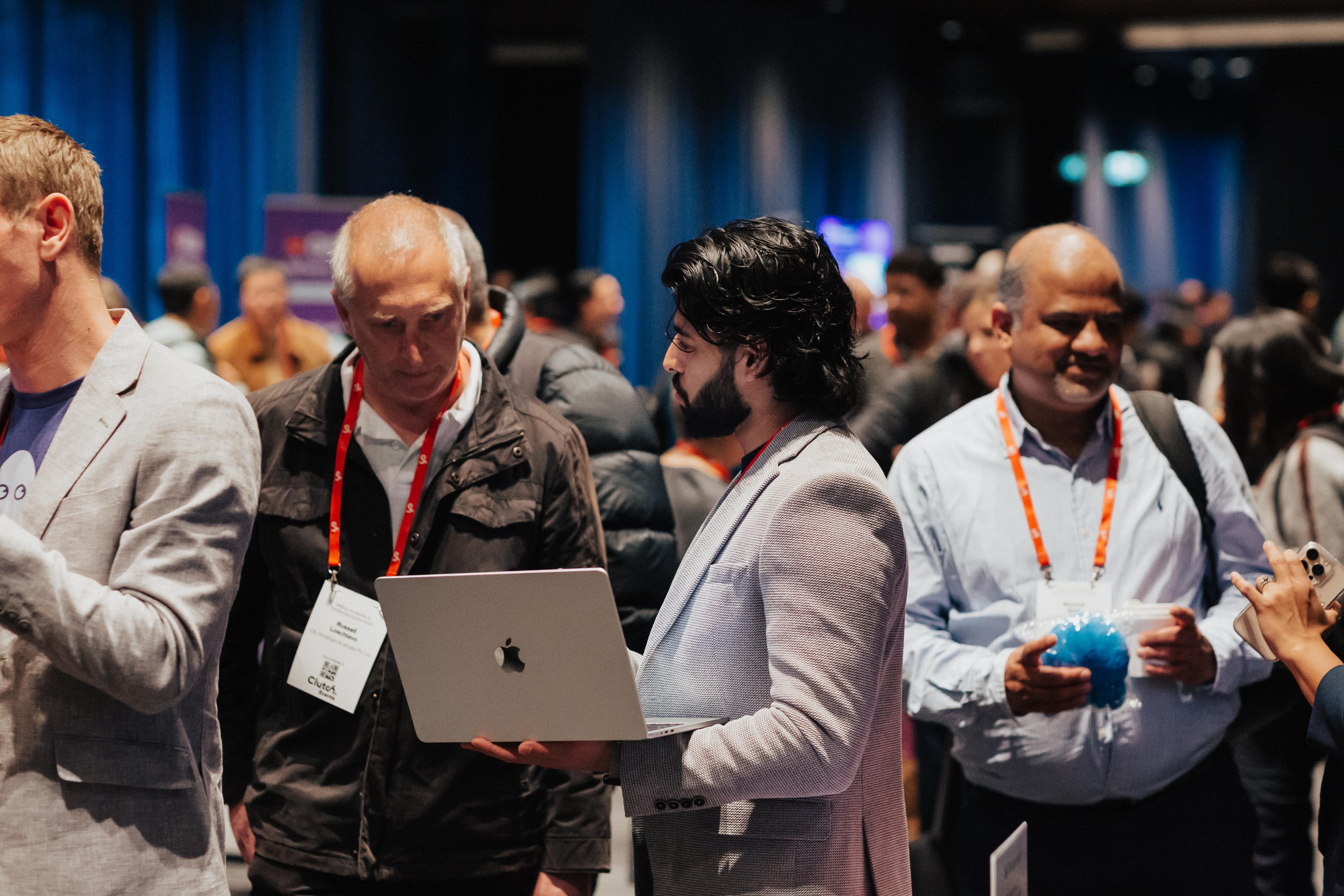
Melbourne · 11 March 2027 · Melbourne Convention and Exhibition Centre
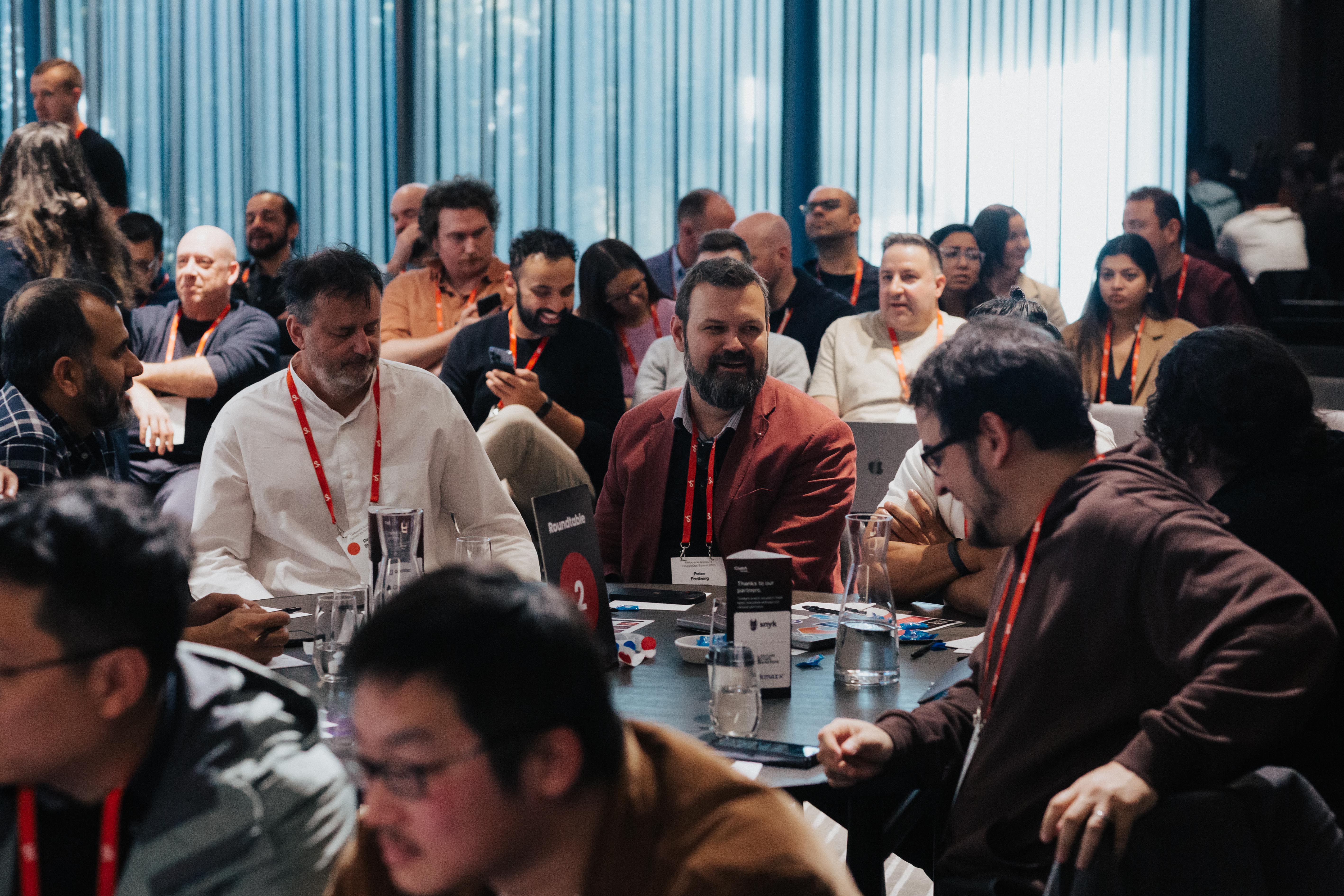
Short, sharp and interactive: keynotes and case studies from practitioners, live panels you vote in, peer roundtables on the problems you name, and two hours of structured networking by design.
Speakers are announced on a rolling basis. Sign up for updates to hear each announcement first.

All times AEDT. Sessions are announced and updated on a rolling basis.
Beat the rush and join us early for complimentary barista-made coffee and breakfast.
Kick off the day with a welcome from your MC and a look at what's ahead across both streams.
Enterprise software has traditionally been built for people to use. Now, AI agents are starting to make decisions and take action across systems, changing how software needs to be designed, built and managed.
This keynote explores how AI is reshaping enterprise technology, what engineering leaders need to prepare for and where to invest to stay ahead.
We’ll cover:
MCP makes it much easier for agents to connect to enterprise systems and tools. That also means a poorly controlled server or connection can give an agent access to far more than the team originally intended.
This session looks at what changes when MCP moves from developer experimentation into a managed enterprise environment with real permissions, users and production systems behind it.
We'll cover:
As more teams build with AI, they need many of the same things, access to models, tools, testing, deployment and security controls.
This panel explores what should be provided through a shared AI platform, and what should stay in the hands of individual teams.
We'll discuss:
As more AI agents are deployed across an organisation, they need access to the same trusted information. Otherwise, different agents can give different answers to the same question.
This session looks at how one organisation built a shared context layer so agents can access consistent, up-to-date information without every team building its own solution.
Key takeaways:
Recharge with refreshments and structured networking with your peers.
A hands-on, interactive session working through a real enterprise AI scenario as a room. Details announced soon.
As organisations deploy more AI agents, it becomes harder to know what is running, what each agent can access and how to stop one when something goes wrong.
This session looks at how one organisation built a central control layer to manage AI agents across the business.
Key takeaways:
Moving agentic AI from a small pilot into core business functions brings new challenges around scale, security, and governance. These challenges become even more important when AI agents begin working with sensitive financial, employee, and business data.
This case study explores how one organisation expanded agentic AI workflows across finance, HR, and other business functions, while putting the right controls in place and demonstrating measurable value.
How a model is served now matters as much as which model you pick. Inference architecture (routing, serving, optimisation and hardware) increasingly decides latency, cost and reliability in production.
This panel looks at how engineering teams are designing the inference and model layer behind their AI applications.
We’ll discuss:
Small-group, discussion-based sessions where you'll work through real enterprise AI challenges with peers in similar roles. Roundtable topics will be announced soon.
Enjoy a complimentary lunch while connecting with fellow attendees.
Put your knowledge to the test in this fast-paced quiz covering real-world trivia, key concepts, and emerging trends. Compete for bragging rights — and a voucher — as the top scorer takes the crown.
AI models can change in performance over time as customer behaviour, data, and business conditions evolve. Without the right monitoring in place, these changes can go unnoticed until they begin affecting customers, operations, or revenue.
This case study explores how one team discovered a model drift issue that nearly became a significant business problem, and how they built better observability into their AI pipeline to identify and respond to issues earlier.
Changing a prompt, model, retrieval source or tool can alter an AI system without breaking a normal unit test. Engineering teams need a repeatable way to know whether the new version is actually better, worse or simply different.
This session looks at how one team built evaluations into its development process and turned AI quality into something that can be tested before release.
We'll cover:
Engineering teams are making long-term infrastructure decisions in a market that changes every quarter. Today’s GPU commitments, platform choices and vendor deals could become tomorrow’s technical debt.
This think tank challenges attendees to defend the infrastructure bets they’re making now, and to admit which ones they’re least sure about.
This interactive session puts these questions directly to the audience. Participants vote live on a series of real-world scenarios, explore the results together, and vote again as perspectives shift through the discussion.
We’ll discuss:
Wrap-up of the day's key takeaways across both streams — and your chance to win some epic prizes.
Unwind with your peers for a couple of drinks on us!
See you at Enterprise AI Global Sydney on 11 August 2027.
Beat the rush and join us early for complimentary barista-made coffee and breakfast.
Kick off the day with a welcome from your MC and a look at what's ahead across both streams.
Most enterprises have bolted AI onto existing workflows and called it transformation. This keynote makes the case that real advantage comes from rebuilding the operating model itself: how decisions get made, how teams are structured, how work is sequenced, and how value is measured. Drawing on first-hand experience leading this shift, we will walk through what changed, what broke, and what leaders underestimated when AI stopped being a tool and became infrastructure for how the business runs.
We'll cover:
This keynote will explore how evolving Australian standards, regulation and policy expectations are reshaping how enterprises design, govern and deploy AI with confidence.
"Enterprise-grade" has become a label everyone claims and few can define. This panel brings together senior leaders who've had to make the real call; what to deploy, what to hold back, and what standards actually matter when AI touches core business processes. Rather than another product showcase, the conversation will dig into the unglamorous but decisive factors: reliability at scale, security and compliance in regulated environments, integration with legacy systems, and the governance structures needed to trust AI-driven decisions.
AI agents can now read documents, apply policy, update systems and trigger actions rather than simply recommend what a person should do. The difficult decision is where autonomy stops and human authority begins. This session looks at how one organisation set those boundaries in practice, including which actions agents can complete themselves and which deliberately still require someone to approve them.
Recharge with refreshments and structured networking with your peers.
A hands-on, interactive session working through a real enterprise AI scenario as a room. Details announced soon.
As AI moves from experimentation into everyday business operations, organisations are discovering that managing AI costs is very different from managing traditional software spend. More users, longer prompts, reasoning models, agents and tool calls can drive consumption, often without a corresponding purchasing decision.
This case study explores how one organisation approached the challenge of making AI consumption visible, measurable and accountable as adoption scaled.
AI isn't only arriving through sanctioned pilots; it's already inside the CRM, the ticketing system, the marketing platform, and dozens of other third-party tools your teams use every day, often switched on by default and invisible to IT and risk teams. This session looks at the real process of auditing a sprawling vendor stack to surface hidden AI features, the surprises they found along the way, and how they built a repeatable process for staying ahead of shadow AI rather than discovering it after the fact.
We'll explore:
Agentic AI promises systems that plan, decide, and act with far less human oversight than the chatbots and copilots that came before it, but most enterprises' infrastructure, governance, and culture weren't built for that. This panel brings together leaders grappling with the practical realities of agent readiness: who's accountable when an agent acts autonomously, what guardrails actually hold up under pressure, and what has to change in data, identity, and process architecture before agents can be trusted with real responsibility. Expect a grounded conversation about the difference between an impressive demo and an enterprise that's genuinely ready to let agents run.
Small-group, discussion-based sessions where you'll work through real enterprise AI challenges with peers in similar roles. Roundtable topics will be announced soon.
Enjoy a complimentary lunch while connecting with fellow attendees.
Put your knowledge to the test in this fast-paced quiz covering real-world trivia, key concepts, and emerging trends. Compete for bragging rights — and a voucher — as the top scorer takes the crown.
AI and automated systems are increasingly influencing decisions about customers, employees and citizens, creating a new challenge for organisations as privacy transparency requirements take effect from 10 December 2026.
This case study explores how one organisation identified where automated decision-making was already occurring, assessed which decisions and personal information fell within scope, and built the evidence needed to support accurate and defensible privacy disclosures as systems and models evolve.
Customer-facing AI can now handle increasingly complex conversations, but some interactions involve vulnerability, hardship, complaints, financial decisions or situations where getting the answer wrong has real consequences. This session looks at how one organisation designed the boundary between automated assistance and human intervention, and how those escalation rules work once the service is live.
AI is changing what software is for, and by extension, what enterprises should be paying for. As AI agents absorb workflows once locked inside dedicated SaaS tools, and as vendors race to bolt AI features onto pricing models built for a pre-AI world, many organisations are sitting on a SaaS strategy that no longer reflects how work actually gets done. This think tank session gets participants working through the hard questions together: which tools in the stack are becoming redundant, which are becoming more valuable, and how procurement and IT should be rethinking vendor strategy before the decision gets made for them.
We'll discuss
Wrap-up of the day's key takeaways across both streams — and your chance to win some epic prizes.
Unwind with your peers for a couple of drinks on us!
See you at Enterprise AI Global Sydney on 11 August 2027.
Leaders who have shared their work at previous Enterprise AI Global events.






How to run an AI readiness assessment that predicts production success: six pillars, a scoring method, data readiness tests and what to do with the result.